"We can't help everyone,but everyone can help someone."
-Ronald Reagan
Sunday, September 10, 2017
Priesthood Quorum is more than a Class
"I am confident that the Lord intended that a priesthood quorum should be far more than a class in theology on Sunday mornings. Of course, the building of spirituality and the strengthening of testimony through effective gospel teaching is an important priesthood responsibility. But this is only a segment of the quorum function. Each quorum must be a working brotherhood for every member if its purpose is to be realized. …
… The priesthood quorum is the Lord’s organization for men of the Church, just as the Relief Society is the Lord’s organization for women of the Church. Each has among its responsibilities, basic to its reason for being, the assisting of those in need.
When the Relief Society was organized the Prophet Joseph said of the women of the Society: “They will fly to the relief of the stranger; they will pour in the wine and oil to the wounded heart of the distressed; they will dry up the tears of the orphan and make the widow’s heart to rejoice”. I would hope that the same might be said of the men of the priesthood."
-Gordon B. Hinckley
… The priesthood quorum is the Lord’s organization for men of the Church, just as the Relief Society is the Lord’s organization for women of the Church. Each has among its responsibilities, basic to its reason for being, the assisting of those in need.
When the Relief Society was organized the Prophet Joseph said of the women of the Society: “They will fly to the relief of the stranger; they will pour in the wine and oil to the wounded heart of the distressed; they will dry up the tears of the orphan and make the widow’s heart to rejoice”. I would hope that the same might be said of the men of the priesthood."
-Gordon B. Hinckley
Sunday, September 3, 2017
To the Person Who Didn't Take the Sacrament Today
To the person who didn’t take the sacrament today:
I noticed today that when I passed you the tray full of broken bread—the sacred symbol of our Savior’s body and sacrifice—that you didn’t take any. You immediately handed it to the person next to you.
I noticed that you did the same thing when the water—the sacred symbol of our Savior’s blood and Atonement—was passed to us by the same innocent deacon in a starched white shirt.
I noticed when you did this that you never looked up, shifting uncomfortably in your seat, and I felt a little embarrassed at the culture we live in, where repentance and personal worthiness are sometimes looked on as a thing of shame.
I have to be honest; I’ve judged you in the past. You didn’t know it because I respectfully half-smiled and looked away when you didn’t take the sacrament before handing me the tray, but I’m ashamed to admit that the thought crossed my mind about what sin you’d committed that made you unworthy to take one small piece of bread and one small plastic cup of water.
What right or reason did I have to judge you? None.
I saw the mote in your eye before I saw the beam in mine, and I forgot that it takes more courage to acknowledge a weakness than to acknowledge a strength. While I wasn’t a good disciple the day I judged you, you taught me some lessons that I want to thank you for.
Thank you for showing me what true discipleship looks like.
You reminded me that a true disciple of Christ is focused on coming closer to Christ, not on measuring how close to Christ everyone else is. We are each on an individual path of repentance. Being a disciple is difficult and takes work, and you reminded me to reflect on the weaknesses I need help overcoming and that I am not judged by man but by God. So are you. You already know whose opinion matters most.
Thank you for teaching me what repentance is and where it comes from.
You reminded me that repentance is personal and that it's a process I need to be engaged in weekly. I have made my own poor decisions, and sometimes that includes forgetting to truly focus on changing myself, not simply asking for forgiveness and calling it a day. As I thought back through my own week, I remembered many things that I needed to correct, and that I need my Savior to do it. You are miles ahead of me in that lesson.
Thank you for reminding me what the sacrament is really about.
You reminded me that if I’m focused on what those around me are doing, my mind is not focused on the sacred emblems I am partaking of. It is not just one small piece of bread and plastic cup of water. It is a symbol and a reminder of a covenant I made and need to keep. What has perhaps become a habit for me still represents a serious covenant and a sincere desire to change and improve to you. Thank you for helping me recognize my "check box" attitude.
Thank you for teaching me humility.
Maybe your head was actually bent toward the ground in worship more than mine. You remind and show me that you recognize God's power and your need for His help. Pride often gets the better of me, but your humble attitude reminds me how to truly worship. Instead of lifting my head and watching others, I could do a better job of reflecting on myself and worshipping my Savior. Your posture reminded me of this.
Thank you for teaching me love.
As I've thought about this situation, I've realized that we need to show Christlike love for others at all times, but especially when others are struggling. Instead of judging, I could have reached out a hand in love. We don't need to know a person's past or struggles to love them. We need to encourage and treat each other the way the Savior would and does. Thank you for reminding me that Christ is the only one who can truly heal us, but we can still help soothe wounds.
In short, thank you for taking the sacrament seriously. You reminded me of the weight of the ordinance offered each week, and I am grateful.
I look forward to sitting next to you again next Sunday.
With love,
A fellow Latter-day Saint
I noticed today that when I passed you the tray full of broken bread—the sacred symbol of our Savior’s body and sacrifice—that you didn’t take any. You immediately handed it to the person next to you.
I noticed that you did the same thing when the water—the sacred symbol of our Savior’s blood and Atonement—was passed to us by the same innocent deacon in a starched white shirt.
I noticed when you did this that you never looked up, shifting uncomfortably in your seat, and I felt a little embarrassed at the culture we live in, where repentance and personal worthiness are sometimes looked on as a thing of shame.
I have to be honest; I’ve judged you in the past. You didn’t know it because I respectfully half-smiled and looked away when you didn’t take the sacrament before handing me the tray, but I’m ashamed to admit that the thought crossed my mind about what sin you’d committed that made you unworthy to take one small piece of bread and one small plastic cup of water.
What right or reason did I have to judge you? None.
I saw the mote in your eye before I saw the beam in mine, and I forgot that it takes more courage to acknowledge a weakness than to acknowledge a strength. While I wasn’t a good disciple the day I judged you, you taught me some lessons that I want to thank you for.
Thank you for showing me what true discipleship looks like.
You reminded me that a true disciple of Christ is focused on coming closer to Christ, not on measuring how close to Christ everyone else is. We are each on an individual path of repentance. Being a disciple is difficult and takes work, and you reminded me to reflect on the weaknesses I need help overcoming and that I am not judged by man but by God. So are you. You already know whose opinion matters most.
Thank you for teaching me what repentance is and where it comes from.
You reminded me that repentance is personal and that it's a process I need to be engaged in weekly. I have made my own poor decisions, and sometimes that includes forgetting to truly focus on changing myself, not simply asking for forgiveness and calling it a day. As I thought back through my own week, I remembered many things that I needed to correct, and that I need my Savior to do it. You are miles ahead of me in that lesson.
Thank you for reminding me what the sacrament is really about.
You reminded me that if I’m focused on what those around me are doing, my mind is not focused on the sacred emblems I am partaking of. It is not just one small piece of bread and plastic cup of water. It is a symbol and a reminder of a covenant I made and need to keep. What has perhaps become a habit for me still represents a serious covenant and a sincere desire to change and improve to you. Thank you for helping me recognize my "check box" attitude.
Thank you for teaching me humility.
Maybe your head was actually bent toward the ground in worship more than mine. You remind and show me that you recognize God's power and your need for His help. Pride often gets the better of me, but your humble attitude reminds me how to truly worship. Instead of lifting my head and watching others, I could do a better job of reflecting on myself and worshipping my Savior. Your posture reminded me of this.
Thank you for teaching me love.
As I've thought about this situation, I've realized that we need to show Christlike love for others at all times, but especially when others are struggling. Instead of judging, I could have reached out a hand in love. We don't need to know a person's past or struggles to love them. We need to encourage and treat each other the way the Savior would and does. Thank you for reminding me that Christ is the only one who can truly heal us, but we can still help soothe wounds.
In short, thank you for taking the sacrament seriously. You reminded me of the weight of the ordinance offered each week, and I am grateful.
I look forward to sitting next to you again next Sunday.
With love,
A fellow Latter-day Saint
Sunday, August 6, 2017
Overcoming Adversity
"Those who suffer great adversity and sorrow and go on to serve their fellowmen develop a great capacity to understand others. Like the prophets, they have acquired a higher understanding of the mind and will of Christ.
For some, the true trial of our faith is to remain faithful, without murmuring against the Lord, when we lose earthly position, family members, or even when we are required to give our very lives.
Only when we fix our gaze on the heavenly things do we begin to understand the eternities. Only with the help of Christ can we fully overcome tragedy."
-Carlos H. Amado
"Overcoming Adversity"
OCT 1989
For some, the true trial of our faith is to remain faithful, without murmuring against the Lord, when we lose earthly position, family members, or even when we are required to give our very lives.
Only when we fix our gaze on the heavenly things do we begin to understand the eternities. Only with the help of Christ can we fully overcome tragedy."
-Carlos H. Amado
"Overcoming Adversity"
OCT 1989
Sunday, July 23, 2017
True freedom lies in obedience to the counsels of God.
"The way of the gospel is a simple way. Some of the requirements may appear to you as elementary and unnecessary. Do not spurn them. Humble yourselves and walk in obedience. I promise that the results that follow will be marvelous to behold and satisfying to experience.
True freedom lies in obedience to the counsels of God. It was said of old that “the commandment is a lamp; and the law is light.” (Prov. 6:23.)
The gospel is not a philosophy of repression, as so many regard it. It is a plan of freedom that gives discipline to appetite and direction to behavior. Its fruits are sweet and its rewards are liberal."
-Gordon B. Hinckley
True freedom lies in obedience to the counsels of God. It was said of old that “the commandment is a lamp; and the law is light.” (Prov. 6:23.)
The gospel is not a philosophy of repression, as so many regard it. It is a plan of freedom that gives discipline to appetite and direction to behavior. Its fruits are sweet and its rewards are liberal."
-Gordon B. Hinckley
Sunday, July 9, 2017
Four Cornerstones of Religious Freedom
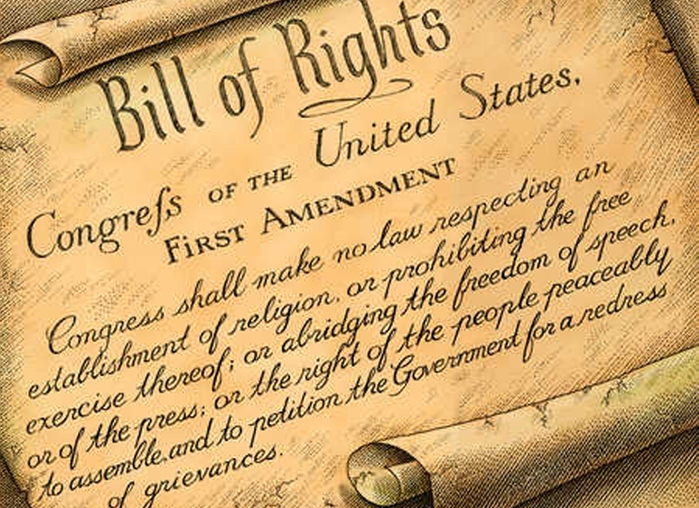
"As we walk the path of spiritual liberty in these last days, we must understand that the faithful use of our agency depends upon our having religious freedom.
There are four cornerstones of religious freedom that we as Latter-day Saints must rely upon and protect.
The first is freedom to believe. No one should be criticized, persecuted, or attacked by individuals, or governments either, for what he or she believes about God.
The second cornerstone of religious liberty is the freedom to share our faith and our beliefs with others.
The third cornerstone of religious liberty is the freedom to form a religious organization, a church, to worship peacefully with others.
The fourth cornerstone of religious liberty is the freedom to live our faith—free exercise of faith not just in the home and chapel but also in public places."
-Robert D. Hales
"Preserving Agency, Protecting Religious Freedom"
APRIL 2015
There are four cornerstones of religious freedom that we as Latter-day Saints must rely upon and protect.
The first is freedom to believe. No one should be criticized, persecuted, or attacked by individuals, or governments either, for what he or she believes about God.
The second cornerstone of religious liberty is the freedom to share our faith and our beliefs with others.
The third cornerstone of religious liberty is the freedom to form a religious organization, a church, to worship peacefully with others.
The fourth cornerstone of religious liberty is the freedom to live our faith—free exercise of faith not just in the home and chapel but also in public places."
-Robert D. Hales
"Preserving Agency, Protecting Religious Freedom"
APRIL 2015
Freedom came as a Gift from Christ
"This freedom which we enjoy did not originate with the Founding Fathers. This great boon of freedom and respect for the dignity of man, came as a gift from the Creator. "
-Ezra Taft Benson
-Ezra Taft Benson
Subscribe to:
Posts (Atom)